For decades, the mainstream fitness industry has sold a narrow, aesthetic-focused vision of physical health. Millions of people flock to gyms every year driven by short-term goals: burning off weekend calories, building larger muscles for the summer, or fitting into smaller clothing sizes. However, this superficial approach often leads to burnout, joint pain, and unsustainable cycles of extreme exertion followed by extended periods of inactivity.
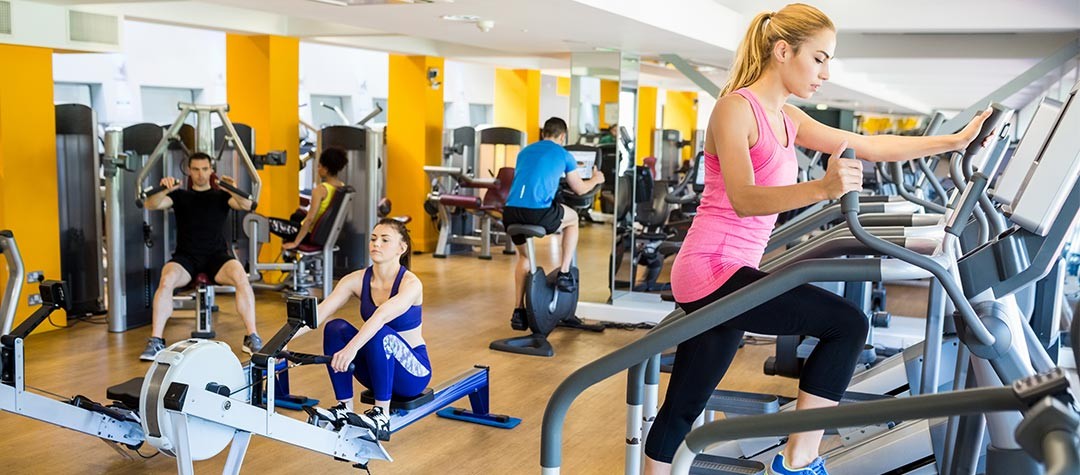
True fitness is not merely about physical appearance or maximum strength output on a single lifting platform. It is a dynamic, lifelong system designed to enhance movement quality, preserve metabolic efficiency, and support functional independence across your entire lifespan. Here is a modern blueprint for transitioning from short-term aesthetic training to sustainable, longevity-focused fitness.
1. Prioritizing Functional Movement Patterns Over Isolated Muscle Training
Traditional workout routines often isolate individual muscles using fixed gym machines. While isolation exercises have a place in body-building or physical rehabilitation, they rarely mirror the complex physical demands of daily life.
- Mastering Compound Foundations: A sustainable fitness foundation relies on core movement patterns: hinge, squat, push, pull, carry, and rotate. Exercises like kettlebell deadlifts, goblet squats, and overhead presses train muscle groups to work together seamlessly, strengthening connective tissue and improving real-world mobility.
- Building Joint Mobility alongside Flexibility: Flexibility refers to a muscle’s passive stretching ability, whereas mobility is the capacity to control a joint through its active range of motion. Prioritizing mobility work reduces injury risks, alleviates chronic lower back or shoulder discomfort, and ensures long-term joint health.
- Developing Unilateral Balance: Training one limb at a time through lunges, single-leg deadlifts, or single-arm rows corrects muscle imbalances, enhances core stability, and improves overall body symmetry.
2. Optimizing Energy Systems Through Zone 2 and High-Intensity Conditioning
A complete fitness strategy must address cardiovascular capacity alongside muscular strength. The human heart and metabolic pathways require a mix of low-intensity endurance and high-intensity output to operate at peak efficiency.
- The Foundations of Zone 2 Aerobic Training: Zone 2 exercise refers to low-intensity cardiovascular movement—such as brisk walking, easy jogging, or steady cycling—where you can comfortably maintain a conversation. Training in this zone increases mitochondrial density in muscle cells, improving fat oxidation and building a powerful cardiovascular base without overburdening the nervous system.
- Strategic High-Intensity Intervals (HIIT): Incorporating short, high-effort intervals once or twice a week challenges your maximum oxygen uptake capacity (VO2 Max). VO2 Max is one of the strongest physiological indicators of overall health, cardiovascular health, and cardiorespiratory endurance.
- Balancing Workouts with Adequate Recovery: Over-allocating time to high-intensity training elevates systemic stress and leads to chronic fatigue. Balancing high-effort sessions with low-intensity movement keeps your autonomic nervous system resilient and adaptable.
3. Strength as the Ultimate Metabolic and Skeletal Shield
As humans age, they naturally lose muscle mass and bone mineral density—a process known as sarcopenia and osteopenia. Progressive resistance training is the most effective biological intervention to reverse these natural age-related declines.
- Preserving Lean Muscle Mass: Muscle tissue acts as an active endocrine organ, playing a massive role in blood glucose regulation and metabolic health. Building and retaining lean muscle shields the body against insulin resistance and metabolic dysfunction.
- Stimulating Bone Mineral Density: Placing controlled, progressive mechanical stress on bones through resistance training signals osteoblasts to lay down new bone tissue. This drastically lowers the risk of fractures and skeletal weakness later in life.
- Strengthening Connective Tissues: Tendons and ligaments adapt to progressive weight-bearing stress, increasing structural stability around joints and preserving physical independence well into old age.
4. Neuromuscular Adaptations, Recovery, and Movement Diversity
Fitness is fundamentally a neurological process. Your brain drives every muscular contraction, coordinate movement, and balance adjustment. Protecting and training your nervous system is as important as training your physical muscles.
- Prioritizing Recovery Architecture: Muscle growth and physical adaptations do not occur during the workout itself; they happen during periods of rest and deep sleep. Inadequate sleep elevates systemic cortisol, impairs tissue repair, and degrades motor coordination.
- Embracing Daily Physical Variety: Human bodies thrive on diverse physical inputs. Replacing rigid, repetitive exercise schedules with diverse activities—such as hiking, swimming, rock climbing, or recreational sports—stimulates new neural pathways and keeps training mentally engaging.
- Integrating Active Recovery Practices: Low-stress physical activities like gentle stretching, walking in nature, or dedicated breathwork promote circulation, clear metabolic byproducts, and accelerate tissue healing between intense workout sessions.
Conclusion
Reimagining fitness as an investment in longevity rather than a short-term aesthetic chase transforms your relationship with movement. By prioritizing functional movement patterns, building a balanced cardiovascular base, maintaining lean muscle mass, and respecting the critical role of rest and neurological recovery, you create a body that is resilient, capable, and built to last. True fitness is measured not by how you look in a mirror today, but by how well your body serves you throughout your lifetime.