In the complex and often expensive world of healthcare, there is a silent hero that keeps the global medical system sustainable: the generic drug system. While brand-name medications often grab the headlines with their multi-billion dollar marketing campaigns and sleek packaging, it is the generic versions of these drugs that perform the heavy lifting. In 2026, over 90% of prescriptions filled globally are for generic medications, saving healthcare systems and individuals trillions of dollars.
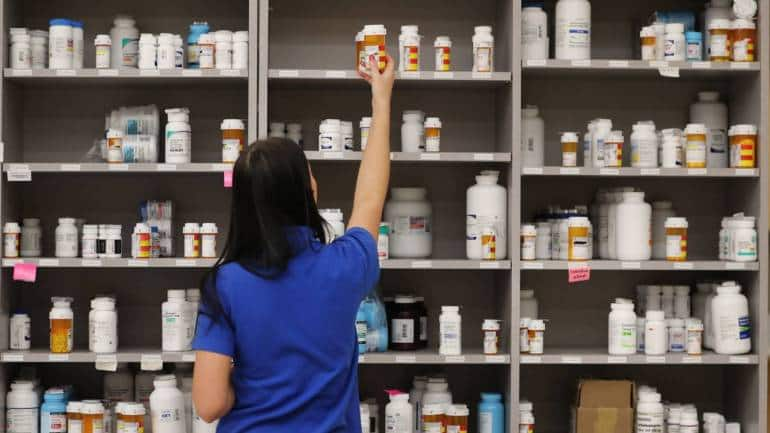
Despite their ubiquity, a significant amount of misunderstanding remains regarding what generic drugs are, how they are regulated, and why they cost so much less than their brand-name counterparts. This article provides a deep dive into the generic drug system, exploring its rigorous safety standards and its vital role in the future of global wellness.
What Exactly Is a Generic Drug?
A generic drug is a medication created to be the same as an already … Read more
 The editors of Health Policy and Planning are inviting submissions for an upcoming complement, jointly organised with the WHO, titled: Meeting the health, welfare and social care wants of older people in low and middle earnings international locations (LMICS) through innovations and enhanced human capital.
 The Department of Health Policy is amongst the biggest providers of postgraduate well being policy and well being economics training worldwide, and a leader in well being policy and well being economics analysis.