In an era dominated by fleeting wellness trends, extreme diets, and conflicting advice on social media, understanding healthy nutrition has become unnecessarily complex. Every few months, a new superfood or restrictive eating plan is hailed as the ultimate cure for fatigue, weight gain, or aging. However, genuine nutrition is not about following temporary fads or eliminating entire food groups. It is an evolving, personalized science designed to fuel the human body for optimal performance, mental clarity, and long-term longevity.
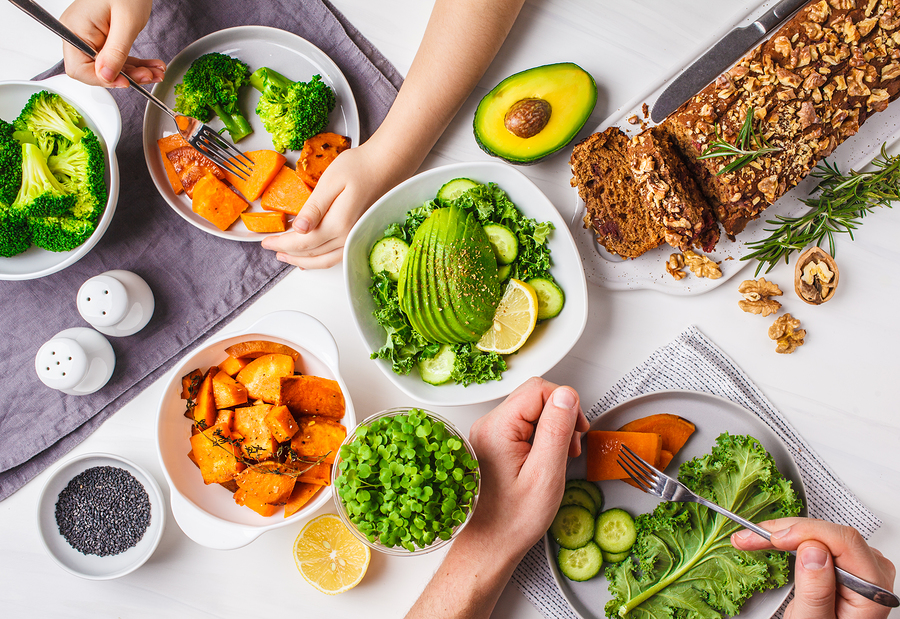
To build a truly healthy relationship with food, we must shift our perspective from restrictive dieting to intentional nourishment. Here is a modern blueprint for mastering nutrition through balanced, evidence-based practices.
1. Moving Beyond Calories: The Quality Paradigm
For decades, standard nutritional advice focused almost exclusively on energy balance—calories in versus calories out. While thermodynamics plays a crucial role in weight management, viewing food strictly through the lens of calories ignores the fundamental biological impact of what we consume.
- Nutrient Density: Five hundred calories of refined pastry trigger a massive insulin spike, promote systemic inflammation, and leave you hungry within hours. In contrast, five hundred calories consisting of wild salmon, avocado, and leafy greens supply essential fatty acids, complete proteins, and vital micronutrients that stabilize blood sugar and support cellular repair.
- Hormonal Regulation: Different macronutrients trigger distinct hormonal responses. Quality proteins and dietary fibers stimulate satiety hormones like peptide YY and GLP-1, signaling to your brain that you are genuinely full.
- Cellular Fuel: Micronutrients—vitamins, minerals, and phytonutrients—act as cofactors for thousands of metabolic processes. Without adequate magnesium, zinc, and B vitamins, your cells cannot produce energy efficiently, regardless of how many calories you eat.
2. The Gut Microbiome: Your Internal Ecosystem
One of the most revolutionary discoveries in modern nutritional science is the critical role of the gut microbiome. Trillions of bacteria, fungi, and micro-organisms living in your digestive tract directly influence everything from digestion and immunity to mood regulation and cognitive performance.
- Diversity on the Plate: A resilient microbiome requires a wide variety of plant foods. Aim to consume at least thirty different types of plant-based foods per week, including vegetables, fruits, nuts, seeds, legumes, and whole grains.
- Prebiotics and Probiotics: Prebiotic fibers found in garlic, onions, oats, and green bananas feed beneficial gut bacteria. Fermented foods like kimchi, kefir, sauerkraut, and tempeh introduce live, advantageous cultures into your digestive system.
- The Gut-Brain Axis: Over ninety percent of the body’s serotonin—a key neurotransmitter responsible for mood regulation—is produced in the gut. Eating for gut health directly translates to improved mental health and cognitive resilience.
3. Hydration and Electrolyte Architecture
Proper nutrition is incomplete without addressing hydration. Water is required for every cellular transaction, waste removal process, and nutrient transport system in the body. However, modern hydration often fails due to a lack of understanding regarding mineral balance.
- Beyond Plain Water: Drinking excessive amounts of plain, highly filtered water without adequate electrolytes can actually dilute sodium levels, leading to fatigue, muscle cramps, and headaches.
- Essential Minerals: Sodium, potassium, magnesium, and calcium are essential electrolytes that control fluid balance inside and outside cells. Incorporating mineral-rich foods like leafy greens, coconut water, and a pinch of unrefined sea salt into your daily routine ensures optimal cellular hydration.
- Timely Fluid Consumption: Hydration should be proactive rather than reactive. Starting your morning with a large glass of water helps replenish fluids lost during sleep and jumpstarts your metabolic systems.
4. Metabolic Flexibility and Circadian Eating
Healthy nutrition is not just about what you eat, but also when you eat. Our metabolic processes operate on a circadian rhythm, dictated by the natural cycles of light and dark.
- Synchronizing Meals with the Clock: Insulin sensitivity is naturally higher in the morning and early afternoon, making your body more efficient at processing carbohydrates earlier in the day. Heavy late-night meals disrupt sleep quality and interfere with nighttime cellular repair.
- Developing Metabolic Flexibility: Metabolic flexibility is the body’s ability to seamlessly switch between burning carbohydrates and burning fats for fuel. Achieving this state involves avoiding constant grazing, allowing three to four hours between meals, and prioritizing whole foods over refined sugars.
- Consistent Meal Timing: Keeping a relatively consistent eating window supports your body’s internal clock, optimizing digestion, hormone secretion, and overall energy levels throughout the day.
Conclusion
Healthy nutrition is not a rigid set of rules or a temporary prescription; it is a lifelong commitment to listening to and supporting your body. By shifting the focus from caloric restriction to nutrient quality, nourishing the gut microbiome, maintaining mineral-rich hydration, and aligning meal timing with your natural circadian rhythm, you establish a strong foundation for sustainable health. True vitality is achieved when food ceases to be a source of anxiety and instead becomes a conscious tool for strength, clarity, and longevity.