Pregnancy is a transformative journey that places unique nutritional demands on a woman’s body. During these nine months, every bite matters—not just for the mother’s energy levels, but for the complex developmental milestones of the growing fetus. While prenatal vitamins are a staple, there is no substitute for the complex synergy of vitamins, minerals, and antioxidants found in whole foods.
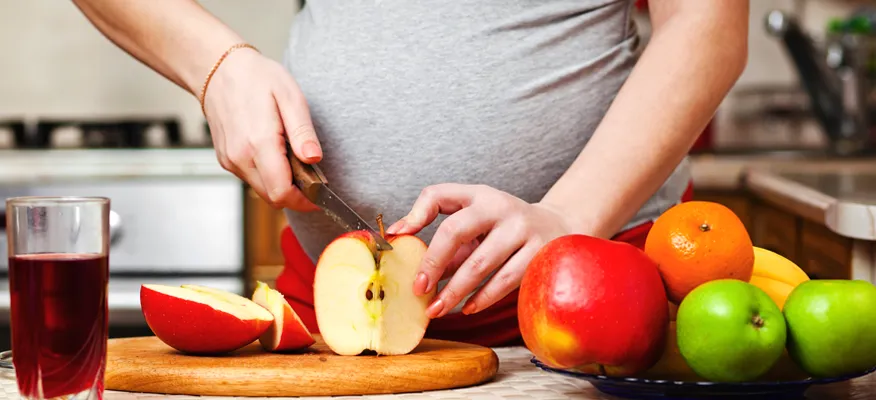
Among the various food groups, fruits stand out as a vital category. They are nature’s “pre-packaged” snacks, providing hydration, natural sugars for energy, and essential fibers to combat common pregnancy discomforts. However, not all fruits are created equal when it comes to the specific needs of gestation. In 2026, nutritionists are placing more emphasis than ever on “functional fruit consumption”—choosing specific fruits to target specific developmental needs.
Here is a professional guide to the best types of fruits for pregnant women and the biological benefits they provide.
1. Citrus Fruits: The Vitamin C and Folate Powerhouses
Oranges, lemons, and grapefruits are arguably the most iconic pregnancy fruits. Their primary contribution is a high concentration of Vitamin C and Folate (Vitamin B9).
Folate is the cornerstone of early pregnancy. It is essential for preventing neural tube defects and ensuring the proper development of the baby’s brain and spinal cord. While many women take folic acid supplements, consuming natural folate through citrus fruits provides superior bioavailability.
Furthermore, the Vitamin C in citrus helps the mother’s body absorb iron more efficiently. Since blood volume increases by nearly 50% during pregnancy, iron-deficiency anemia is a common risk. Eating an orange alongside an iron-rich meal (like spinach or lean meat) can significantly boost iron uptake.
2. Bananas: The Solution for Leg Cramps and Morning Sickness
Bananas are a versatile and gentle fruit that addresses two of the most common complaints in the first and second trimesters: nausea and leg cramps.
- Potassium Content: Leg cramps often strike in the middle of the night during the second and third trimesters. This is often due to an electrolyte imbalance. Bananas are rich in potassium, which helps maintain fluid balance and supports healthy muscle function.
- Vitamin B6: Early pregnancy is often defined by morning sickness. Research indicates that Vitamin B6 can help alleviate nausea. Bananas are an excellent natural source of this vitamin, making them an ideal breakfast choice for women struggling with a sensitive stomach.
3. Berries: Anthocyanins and Skin Health
Strawberries, blueberries, raspberries, and blackberries are nutrient-dense powerhouses. They are packed with antioxidants, specifically anthocyanins, which protect cells from oxidative stress.
For the mother, berries offer a lower glycemic index compared to tropical fruits, meaning they provide a steady release of energy without causing sharp spikes in blood sugar—a crucial factor in preventing gestational diabetes. For the baby, the phytonutrients in berries support the development of a healthy immune system and skin tissue. Additionally, the high water content in berries aids in overall hydration, which is necessary for maintaining healthy amniotic fluid levels.
4. Avocados: The Healthy Fat for Brain Development
Though often treated as a vegetable, the avocado is botanically a fruit and perhaps one of the most important ones for fetal growth. Unlike most fruits which are carbohydrate-heavy, avocados are loaded with monounsaturated fatty acids (healthy fats).
These healthy fats are the building blocks for the baby’s brain and eyes. Furthermore, avocados contain high levels of Vitamin K, Vitamin E, and potassium. They also provide a significant amount of fiber, which helps regulate digestion and prevents the constipation often caused by prenatal iron supplements. The creamy texture also makes them a great substitute for less healthy fats in spreads and smoothies.
5. Apples and Pears: The Fiber Champions
Digestive health is a major concern during pregnancy due to increased progesterone levels, which slow down the digestive tract. Apples and pears are exceptionally high in pectin, a type of soluble fiber.
Eating apples with the skin on provides the roughage necessary to keep the digestive system moving. Pears, in particular, are known for their gentle laxative effect. Beyond fiber, apples contain “quercetin,” an antioxidant that may help reduce the risk of the baby developing asthma or allergies later in life.
6. Apricots and Dried Fruits: Iron and Vitamin A
Apricots contain Vitamins A, C, and E, as well as calcium and iron. Vitamin A is critical for the development of the baby’s lungs, heart, and kidneys.
While fresh is usually best, dried apricots and prunes are “handy” options for pregnant women on the go. Prunes (dried plums) are world-renowned for their ability to relieve pregnancy-induced constipation. However, because dried fruits are calorie-dense and high in sugar, they should be consumed in moderation to avoid excessive weight gain.
Conclusion: Diversity is Key
The secret to a successful pregnancy diet is diversity. No single fruit can provide the full spectrum of nutrients required for fetal development. By rotating between citrus for folate, avocados for healthy fats, berries for antioxidants, and bananas for electrolytes, you create a robust nutritional foundation for your child.
Always remember to wash all fruit thoroughly to remove any traces of pesticides or soil-borne bacteria like Toxoplasma, which can be harmful during pregnancy. By making these “nature’s candies” a staple of your daily routine, you aren’t just eating for two—you are building a healthier future for both yourself and your baby.
Would you like me to create a 7-day fruit-based snack plan tailored to a specific trimester of your pregnancy?